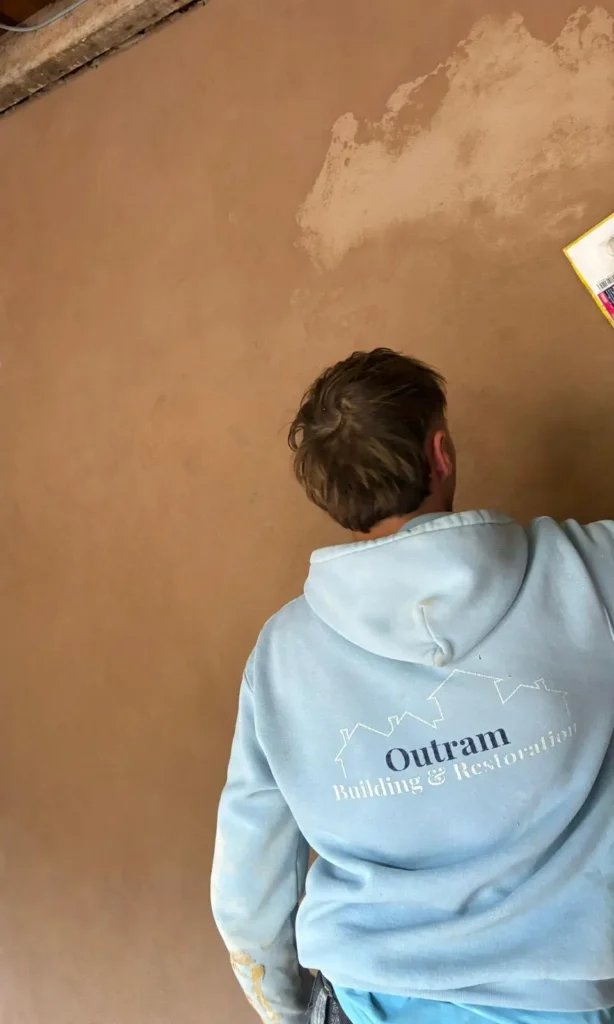
Heritage and Traditional Lime Plasterers in Lancashire
Lime Plastering Lancashire, Traditional Craftsmanship, Built to Last
Traditional Lime Plastering Experts in Lancashire, preserving the history of Lancashire’s period properties.
Using heritage lime plasters and materials and traditional methods to protect, repair and preserve your buildings appearance.
Lime Plastering in Lancashire
Outram Lime Building Specialists bring decades of hands-on experience to lime plastering projects across Lancashire.
Whether you’re restoring a listed farmhouse, renovating a Victorian terrace, or specifying breathable walls for a heritage property, we apply traditional three-coat lime plaster systems using the correct materials, correct mixes, and correct finishing techniques, every time
We’re skilled lime experts that are committed to using the correct lime mortars and lime plasters – carefully matched to your property’s original character and traditional construction. Outram Building and Restoration are proud to use locally sourced heritage building materials from across Lancashire, just as it would have been done originally.
What is Lime Plaster, and Why Do Lancashire's Older Properties Benefit From it?
Lime plaster is a traditional, breathable plaster made from lime and natural aggregates, used for finishing internal and external walls. Unlike modern gypsum or cement-based plasters, lime works with a building rather than sealing it up.
Modern plasters are hard and impermeable, which means they trap moisture within the wall. Over time, this can lead to damp, cracking and damage — especially in older properties. Lime plaster behaves differently. It allows moisture to pass through and evaporate naturally, helping walls stay dry and balanced.
Lime plaster has been used across Lancashire’s stone and brick buildings for centuries — from cottages and farmhouses to larger period properties. It’s a proven, time-tested material that not only looks right, but performs exactly as these buildings were designed to.
Lime Plastering Work That's Rated 5 Stars Across Lancashire
Customer satisfaction is at the heart of everything we do. We’re committed to providing the best possible level of service whilst delivering sympathetic repairs to heritage and period properties across Lancashire.
Free Lime Plastering Survey and Quotation
We provide free site surveys and detailed quotations for Lime Plastering and Lime Rendering work around Lancashire, giving you a clear understanding of the work required and the best approach for your property.
Get in Touch To Arrange A Quotation
Every property and every job is a unique story, requiring an in-person survey to enable us to give you the best advice. To arrange a tailored on site quote, please use the form below or give us a call to get in touch.
The Traditional Three-Coat Lime Plaster System
The traditional three-coat lime plaster system is the correct way to plaster solid walls, particularly in older and heritage buildings typically found in Lancashire. Rather than applying one hard finish, lime plaster is built up in layers — each coat serving a specific purpose and working together as a complete system.
This method allows the plaster to cure gradually, manage moisture properly and provide long-term strength without putting stress on the building. It’s the approach that has been used for centuries across Lancashire’s stone and brick properties, and remains the best choice for pre-1919 and listed buildings.
Each coat plays a role — from creating a strong base, to building depth, through to achieving the final breathable finish. When applied correctly, the system allows the building to move, breathe and perform as it was originally designed to.
The Scratch Coat
The scratch coat is the foundation of the system. Applied directly to the substrate, whether stone, brick, cob, or lath. It is a coarser, heavily aggregated lime mix that keys into the surface. Once applied, it is cross-hatched (scratched) with a comb or tool to create mechanical key for the next coat. It must be allowed to set and partially carbonate before the float coat is applied. Typical thickness: 9–12mm.
The Float Coat
The float coat, or straightening coat, is applied over the keyed scratch coat once it has sufficiently set. Its purpose is to level the surface, correct any undulations in the wall, and provide a flat, consistent base for the finish. It uses a slightly finer aggregate and a higher lime content than the scratch coat. Applied in passes with a straight-edge and floated back to a flat plane. Typical thickness: 8–10mm. Allowing full carbonation before applying the final coat.
Lime Putty Skim Coat
The finish coat is the visible surface layer and is where the character of the wall is determined. It uses the finest aggregate and the richest lime mix, and is applied thin — typically 3–5mm. The finish coat is the coat that is worked, textured, polished, or trowelled depending on the desired result. It requires the most skill and is where Outram’s craftsmen spend the most time getting the result right.
Please note: in some instances, a harling coat prior to the application of the scratch coat may be required. This is to control suction and ensure proper bonding of the scratch coat. Some clients may prefer the ‘float coat’ to be the finish coat due to its heritage and cottage like appearance. Read more about the different finishes of lime below.
Lime Plaster Finishes - Which One Is Right For Your Property?
Not all lime plaster finishes are the same. The right finish depends on the age and character of the building, the room’s use, whether it’s internal or external, and the client’s aesthetic preference. We’ll advise on the most appropriate option during our site survey.
Sponge or Float Finish
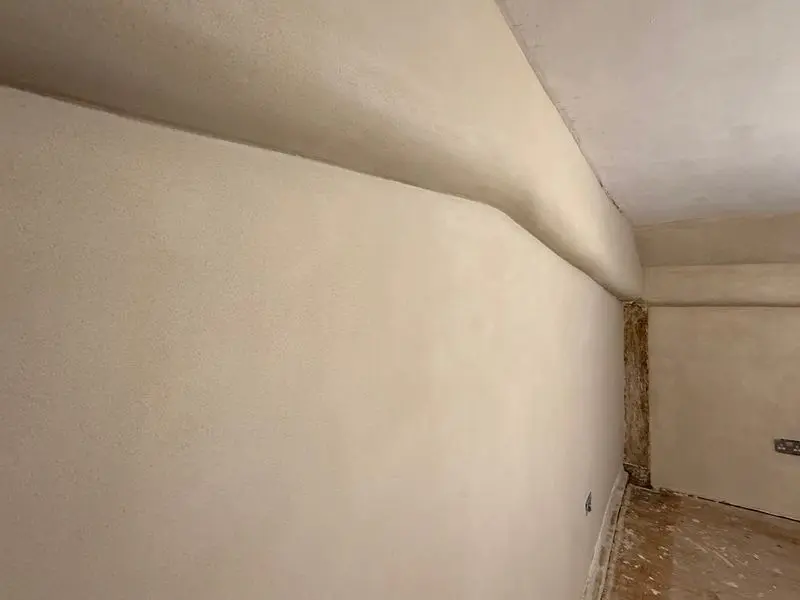
One of the most commonly specified finishes for internal walls, a sponge finish is achieved by working the wet finish coat with a damp sponge in circular motions. The result is a soft, slightly open-textured surface with a matt appearance that is warm and characterful. It suits period interiors, farmhouses, and cottages throughout Lancashire. It allows the wall to breathe fully and has a natural, organic quality that complements exposed timber and stone.
Steel Trowelled Finish
A steel-trowelled finish is worked repeatedly with a steel trowel as the finish coat begins to stiffen. The result is a much harder, denser, smoother surface. It is more suitable for wet areas or high-traffic rooms where a tougher wall face is desirable. A polished trowel finish can achieve an almost plaster-smooth result with a slight sheen — distinctive and refined.
Rough-cast and textured finishes
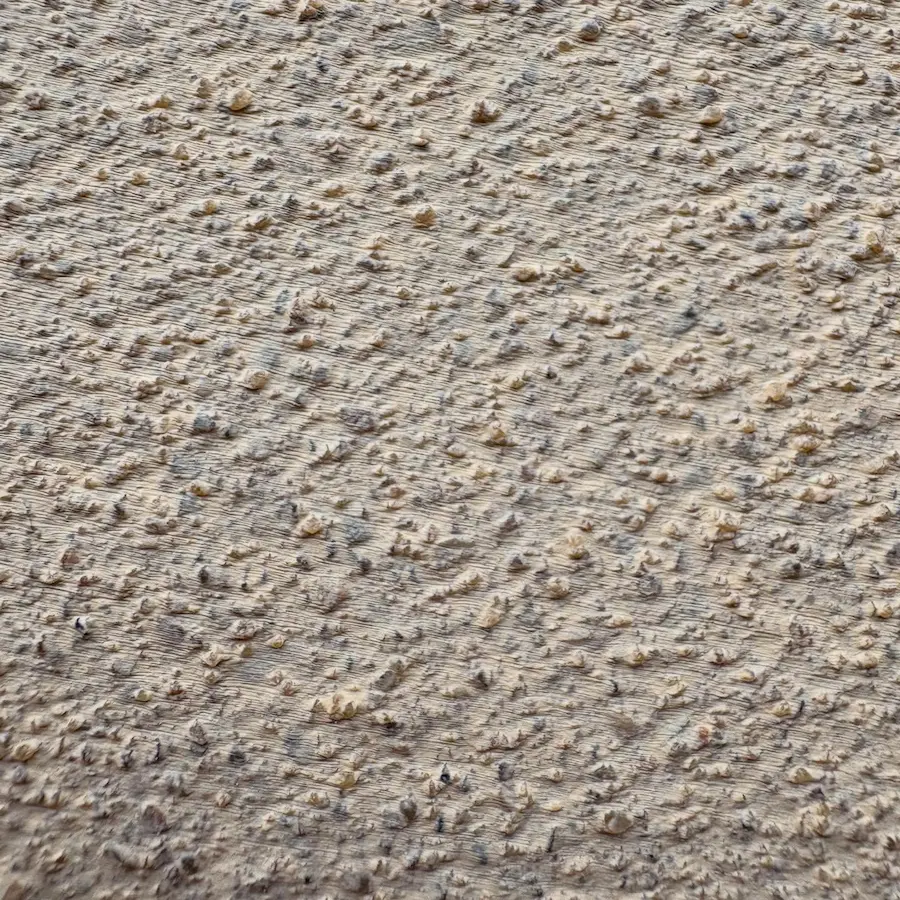
For external render on stone and brick buildings, a rougher, more textured finish is often both authentic and practical. Rough-cast involves throwing coarse aggregate into the wet render coat to create a heavily textured surface with excellent weather resistance. This is a common traditional finish on Lancashire farmhouses and agricultural buildings. We can match existing render textures on extension or repair projects.
Sand-faced and ruled finishes
A sand-faced finish uses a wood or plastic float to produce an even, lightly textured surface with a soft grain. It sits between the openness of a sponge finish and the smoothness of a trowel finish, and works well in both interior and sheltered exterior applications. Ruled finishes — where joints or patterns are scored in — are appropriate on some formal or listed building specifications.
Why Lime Plaster is the Right Choice for Older Lancashire Buildings
Older buildings across Lancashire, particularly those built with stone or solid brick, were designed to work with breathable materials. Lime plaster plays a key role in that system, helping manage moisture, reduce stress on the structure and protect the building long-term.
Modern cement-based renders and gypsum plasters do the opposite. They seal walls, trap moisture and often lead to damp, cracking and damage – especially in traditional buildings built with sandstone or millstone grit.
Breathable Walls
Lime plaster allows moisture to pass through and evaporate naturally, helping prevent damp, mould and trapped moisture within solid walls.
Works With Old Masonry
Traditional buildings were built using lime. Using compatible materials ensures the wall performs properly without causing damage to brick or stone.
Flexible
Lime plaster moves with the building, reducing the risk of cracking and failure often seen with rigid modern plasters.
Prevents Cement Damage
Cement renders trap moisture and force it into the masonry, leading to blown stone, surface damage and long-term deterioration especially in Lancashire’s older properties.
Put simply – lime doesn’t fight the building, it works with it.
Step By Step Process for Lime Plastering Lancashire's Period Properties
Site Survey & Substrate Assessment
We start by assessing the building, identifying the existing materials, condition of the walls and any underlying issues such as damp or failed plaster.
Specification & Mix Selection
Based on the building and its exposure, we select the correct lime type and aggregates to ensure compatibility, breathability and long-term performance.
Preparation & Background Work
Failed plaster and unsuitable materials are carefully removed. Where needed, we carry out harling, re-lathing or prepare the substrate to receive new lime plaster.
Scratch Coat Application
The first coat is applied to create a strong base, pressed firmly into the background to provide key and stability for the following coats.
Float Coat Build-Up
The second coat builds depth and helps level the surface, forming the main body of the plaster while maintaining breathability.
Finish Coat & Aftercare
The final coat provides the desired texture and appearance, completed using traditional methods to suit the building.
Curing and Aftercare
Lime needs time to cure properly. We manage this process carefully and provide guidance to ensure the plaster sets correctly and performs long-term. It’s not a quick process, but done properly, it’s the right one.
We're Social.
We regularly post all of our daily updates and content on Instagram and Facebook, including job showcases and informative content on working with Lime.
Check us out and give Outram a follow to keep up to date with all of our current projects.
Get in Touch To Arrange A Quotation
Every property and every job is a unique story, requiring an in-person survey to enable us to give you the best advice. To arrange a tailored on site quote, please use the form below or give us a call to get in touch.
Limewashing in Lancashire: Traditional Finish, Timeless Appeal
Limewash is one of the oldest decorative finishes still in use today, and remains the most authentic coating for lime-plastered walls, stone and brick.
Unlike modern masonry paints, limewash is fully breathable. It allows moisture to pass through the surface and evaporate naturally, rather than trapping it within the wall. This helps prevent common issues such as damp, staining, flaking finishes and long-term damage to the underlying masonry.
For older Lancashire properties, limewash isn’t just a visual choice — it’s the correct one.
What is Limewash?
Limewash is made by diluting lime putty with water to create a thin, milky consistency. Natural pigments — traditionally earth oxides — can be added to achieve subtle, breathable colour finishes.
It is applied in multiple thin coats, each allowed to dry before the next. As it cures, the limewash carbonates and develops a soft, translucent depth that modern paints simply can’t replicate.
Over time, it weathers naturally, creating a lived-in, patinated finish that suits traditional buildings perfectly.
Interior and Exterior Limewashing
We carry out limewashing to both internal lime plastered walls and external stone or brickwork across Lancashire.
Internally, limewash creates a soft, chalky, matte finish — ideal for period interiors, cottages and properties where a more natural, textured look is preferred.
Externally, it protects and enhances stone and brick in a way that is both historically accurate and visually distinctive.
All work includes proper preparation, suitable base coats where required, and colour-matched finishes tailored to your property.
Who We Work With Across Lancashire
Property Owners
Architects, Designers & Conservation Officers
Estates & Landlords
Churches & Religious Buildings
Lime Plastering Across Lancashire
Outram Building & Restoration are based in Lancashire, carrying out specialist lime plastering and heritage building work across the county and surrounding areas.
We regularly work on period properties, cottages, farmhouses and listed buildings throughout Lancashire — providing traditional lime plastering that allows walls to breathe and perform as they should.
Whether it’s a small repair or a full re-plaster, we offer honest advice and proper lime work across the region, covering towns and villages including Clitheroe, Preston, Blackburn, Burnley, Lancaster, Chorley and the Ribble Valley.
We also travel further across the North West for the right projects, particularly where specialist hot mixed lime plasters are required.
Not sure if we cover your area? Get in touch – we’re always happy to advise.
Frequently Asked Questions
Being one of Lancashire’s Leading Lime Plastering services, we get a lot of questions! Below we have answered some of the most commonly asked ones.
How many coats of lime plaster do I need?
Most traditional lime plastering is carried out using a three-coat system: a scratch coat, float coat and finish coat. Each layer serves a purpose — building strength, depth and a breathable finish. In some repair situations, fewer coats may be suitable, but for full plastering on older buildings, three coats is the correct and long-lasting approach.
How long does lime plaster take to dry between coats?
Lime plaster doesn’t “dry” like modern plaster — it cures (carbonates) slowly through a process called carbonation. Typically, each coat is left for several days or even weeks before the next is applied, depending on temperature and humidity. Rushing the process can lead to failure, so proper timing is key to achieving a durable, breathable finish.
Can I plaster over existing lime plaster?
In many cases, yes — as long as the existing lime plaster is sound and well bonded. We assess the condition first, removing any loose or failed areas before applying new coats. If the background is stable, over-plastering with compatible lime materials can be an effective way to repair and restore the surface.
What’s the difference between lime plaster and lime render?
Lime plaster is typically used internally to create smooth or textured wall finishes, while lime render is applied externally to protect and weatherproof walls. Both use similar materials and remain breathable, but are formulated slightly differently depending on their location and exposure to the elements.
Is lime plaster suitable for damp walls?
Lime plaster can help manage damp by allowing moisture to evaporate naturally through the wall. However, it’s not a cure for underlying problems. The cause of the damp should always be identified first. Once resolved, lime plaster is the correct material for maintaining a breathable, balanced wall structure.
Do you work on listed buildings in Lancashire?
Yes — we regularly carry out lime plastering work on listed buildings and heritage properties across Lancashire. We use traditional methods and materials that are appropriate for conservation work, ensuring the building’s character and integrity are preserved while meeting any relevant requirements.
Need an answer to your question?
Traditional Lime Building Services for Lancashire Properties
Our services include lime plastering, lime pointing, lime rendering, lime mortar matching, chimneys repairs, sympathetic building alterations and limewashing — all tailored to preserve the character and performance of traditional buildings. If it involves lime, Outram Building & Restoration has it covered.
Experienced
Heritage Repairs & Building Work
Sympathetic repairs and alterations for older properties, using traditional methods that respect the structure and character of your building.
- Cement removal & breathable repairs
- Stonework & masonry repairs
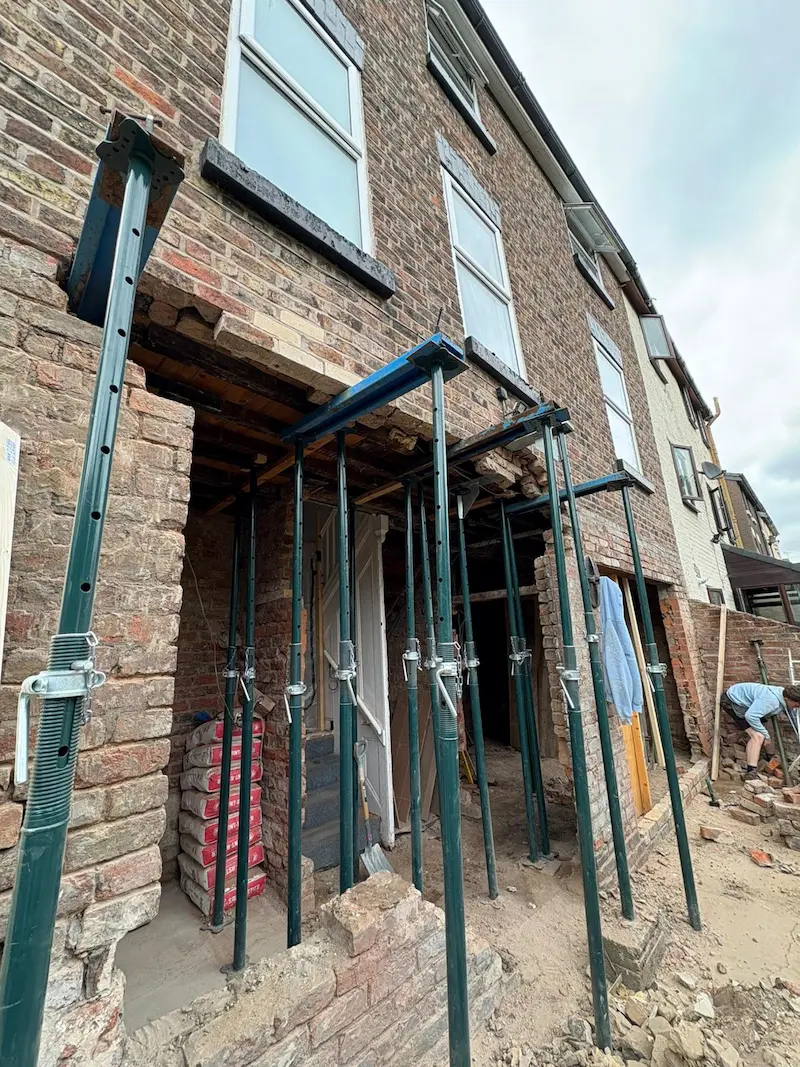
- Structural alterations
- Listed & period property work
Repairs and Re-Builds
Chimney Repairs & Rebuilding
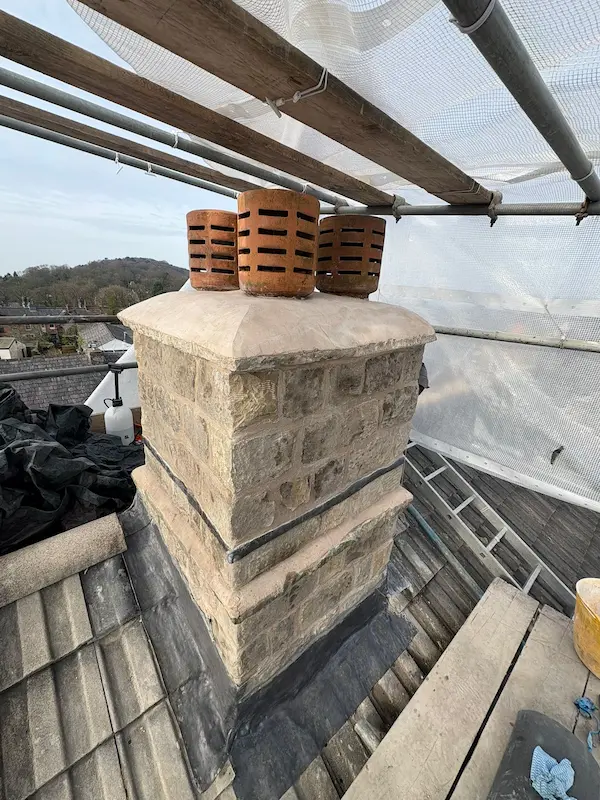
Chimneys take the brunt of the weather. We repair and rebuild damaged stacks using the right lime materials, keeping them safe, stable and in keeping with your property.
- Repointing with lime mortar
- Chimney stack repairs & rebuilds
- Leadwork and weatherproofing
- Safe, structurally sound finishes
Expert Service
Heritage & Traditional Lime Pointing
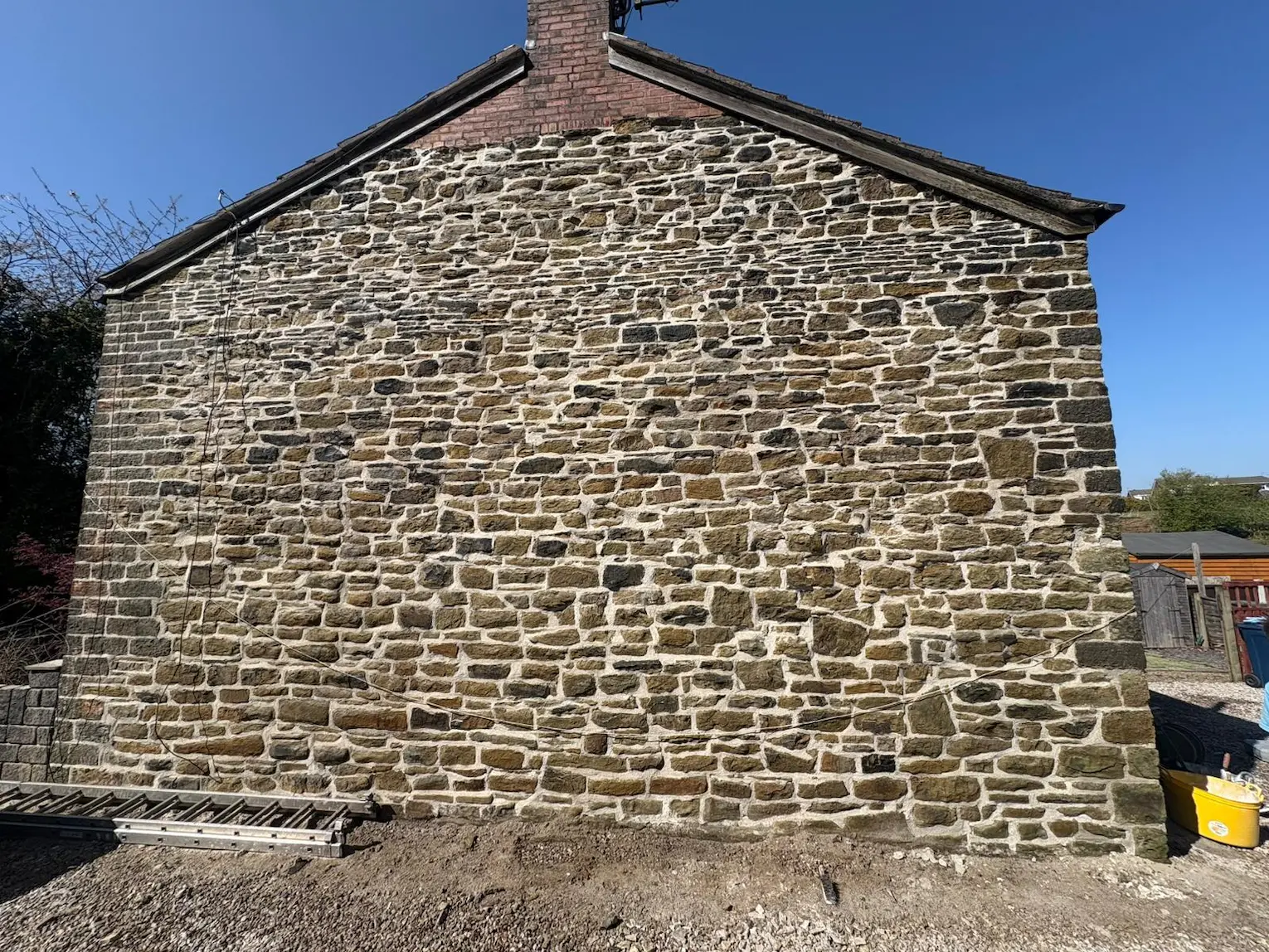
Careful removal of failed mortar and repointing using the correct lime mix — helping your walls breathe and preventing further damage.
- Careful removal of cement pointing
- Lime mortar repointing & aftercare
- Brick & stonework repairs
- Chimneys, walls & full elevations
About Outram Building & Restoration
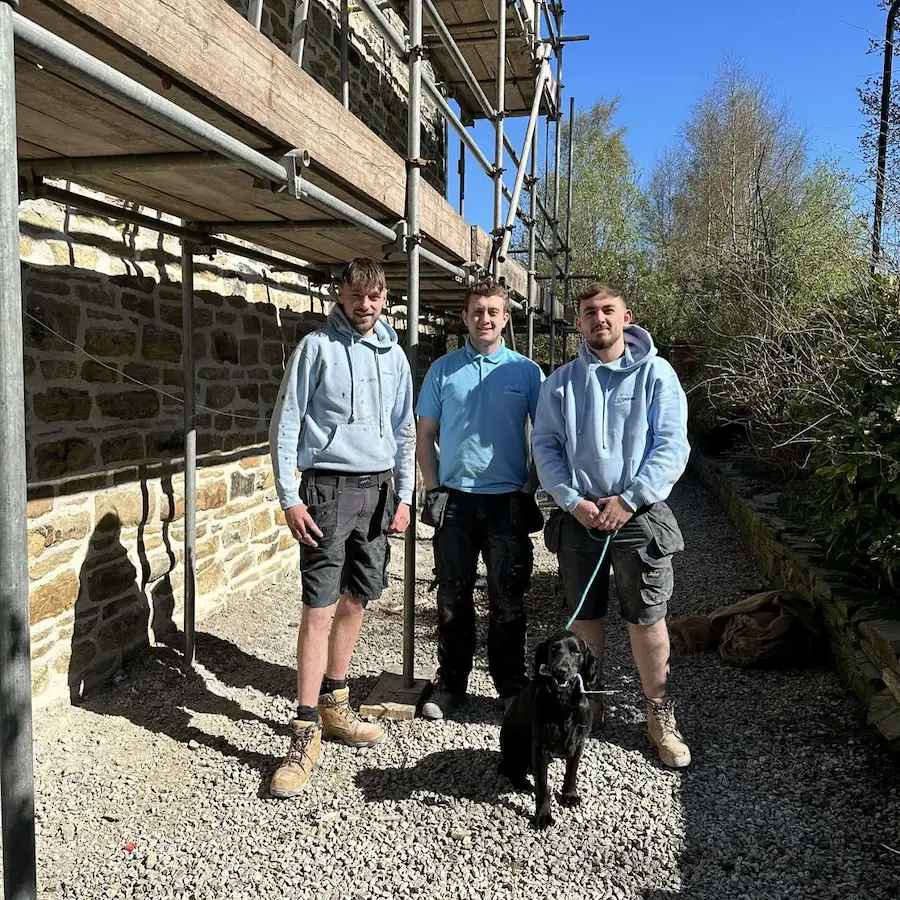
Outram Building & Restoration are a Lancashire-based specialist in traditional lime mortars, lime plastering and heritage building work. With a strong focus on doing things properly, the business has built a reputation for high-quality workmanship using traditional methods and materials.
Working across Lancashire and the wider North West, Outram Building & Restoration carry out everything from lime pointing and plastering to full heritage repairs and alterations — always with a focus on preserving the character and performance of older buildings.
Our approach is rooted in traditional building techniques, including the use of hot mixed lime mortars and carefully selected materials suited to each individual property. Every job is treated on its own merits, ensuring the right methods are used rather than a one-size-fits-all approach.
Whether it’s a small repair or a full restoration project, Outram Building & Restoration are committed to keeping traditional buildings working as they should — breathable, durable and built to last.